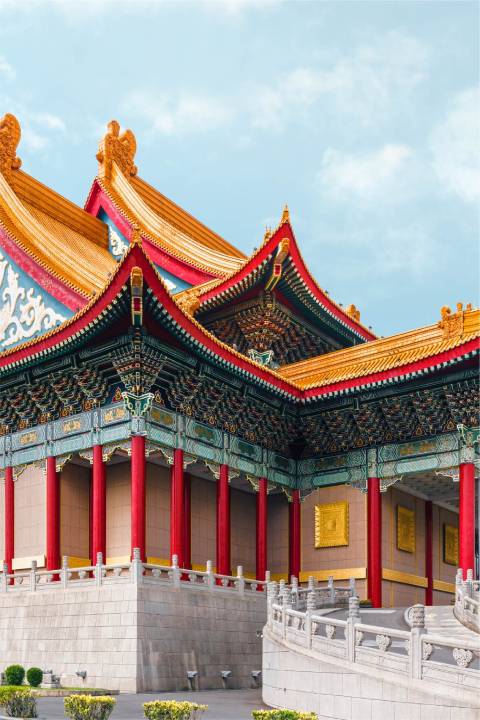
 檔案1
檔案1

兩廳院室內工作坊成果發表會
Concert of Chamber Music Workshop
基本資料
2009-12-27
2009/12/27
樂曲解說
貝多芬:C 小調第四號絃樂四重奏,作品18
1800年貝多芬 ( Ludwig van Beethoven,1770~1827 ) 寫作這組作品的的六首絃樂四重奏時,莫札特己去世九年,海頓也已邁入晚年,正值壯年的貝多芬,極力自前輩絃樂四重奏的框架中,找出一條新路,將源源不絕的樂思化成樂曲,發展具有獨特性、更富人性深度的音樂。這首 C 小調絃樂四重奏,就是一首銜接貝多芬早期與中期的作品,也是這組作品中唯一的小調。這個調性是貝多芬戲劇性作品的調性,例如交響曲《命運》、鋼琴奏鳴曲《悲愴》、《柯里奧蘭》序曲等,都具有悲劇性、深遂的美感。
這首作品另一特殊之處是第二樂章為詼諧曲、第三樂章為小步舞曲,然而此處的詼諧曲又比一般詼諧曲來的慢,似乎開創另種先例,以詼諧曲取代慢板樂章,這是青年貝多芬大膽的創舉。第一樂章首先由第一小提琴奏出弱起拍開始上行四度充滿憂愁的第一主題,低音絃樂反覆著低音加深焦慮感。第二主題運用第一主題的動機,然而在調性上卻轉為明朗的降 E 大調,在情緒上與第一主題形成對照。第二樂章雖為詼諧曲,但在形式上仍為奏鳴曲式,速度也較一般詼諧曲慢,在這首作品中是屬於慢板樂章,因為風格卻有詼諧曲戲謔的風格。第三樂章名為小步舞曲,卻沒有優雅的舞曲風格,取而代之的卻是不安的情緒。第四樂章依著急促、氣勢澎濟的 C 小調第一主題與以和聲為基底的對位旋律,反覆與發展。
布拉姆斯:C 小調第三號鋼琴四重奏,作品60
這首完成於1874年的鋼琴四重奏,是布拉姆斯 ( Johannes Brahms,1833~1897 ) 三首鋼琴四重奏的最後一首,此時他已是定居維也納的著名作曲家。在寄給出版商的信上寫道:「你可以在本樂譜的封面畫上一個拿著手槍頂著自己頭顱的人像。這一來可以獲得音樂上的一個概念。」如此灰色的心情,說明了從著手到完成這二十年間布拉姆斯的心境轉折。
此曲於1855~1856年間開始寫作,然亦師亦友的舒曼跳河自殺,對布拉姆斯造成相當大的衝擊。此後曾與姚阿幸、克拉拉試演、討論,經過多次修改至二十年後才完成,也由原來的升 C 小調改為 C 小調。此曲流露出德國人面對無望愛情時易走上自殺之路的「維特式感情」,因此也稱為「維特四重奏」,暗示舒曼與克拉拉偉大的愛情,或許也是布拉姆斯對克拉拉的無望之愛。
第一樂章一開始鋼琴奏出強烈的 C 直至結束,絃樂以下行小二度四嘆息的音型引出悲劇性的開展。第一主題鋼琴奏出傷心的主題,這與抒情的第二主題形成對比。發展部的激動與第一主題相呼應,最後在悲劇風格的尾奏中結束此樂章。第二樂章的詼諧曲快板樂章表現一種陰沈的氛圍。果決、直率的第一主題與有表情的第二主題,形成強烈的對比。第三樂章有如德國藝術歌曲的歌謠三段體樂章,呈現夢幻、囈語般的情境。當年布拉姆斯將此曲寄給克拉拉時,她對此樂章著迷不己,因此這樂章仍以原調E大調保留下來。第四樂章的終曲擁有樸素、誨澀的 C 小調第一主題,與富旋律性的降E大調第二主題及如聖詠般的第三主題。
舒曼:降 E 大調鋼琴五重奏,作品44
1840年9月12日,舒曼 ( Robert Schumann,1810~1856 ) 與克拉拉終於如願結婚,在克拉拉寫給朋友的信道:「我們終於完成願望,享受最大的喜悅......,現在我們有如此多音樂上的樂趣,我們的生活真的非常幸福。」這段日子他們一起作曲、演奏鋼琴,分析巴赫賦格也成為這對新人生活的樂趣,甚至將心得寫進作品裡,如同這首1842年寫作的鋼琴五重奏,
似乎滿足了克拉拉這位當時的鋼琴名家展現個人魅力的慾望。
第一樂章開始燦爛有力的大跳四音音型,展現了光輝的氣質。鋼琴奏出優雅的第二主題,展現了舒曼音樂中優美的特質。全樂章洋溢著這對傳奇音樂家賢伉儷令人稱羨的生活。第二樂章是「送葬進行曲」樂章,一開始鋼琴奏出如鐘聲的聲響,小提琴奏出沈重步伐的附點音符,其餘聲部陸續加入送葬的行列。鋼琴奏出光亮 C 大調第二主題,有如夢境,帶來暫時的光明。進入激動的 ( Agitato ) 樂段,在切分音中,行進主題交錯其中,營造出緊迫的氣氛。第三樂章詼諧曲強烈的旋律,與抒情、歌唱性的中段形成強烈的對比。然而第二個中段,則是有如常動曲般快速的十六分音符,展現演奏家的技巧。第四樂章由鋼琴堅定、鋼鐵般地奏出第一主題,中提琴與小提琴接替奏出溫柔的第二主題。尾奏則結合第一樂章主題與第四樂章主題的賦格樂段,為此樂章最為特別之處。
L. V. BEETHOVEN: String Quartet No.4 in C minor, Op.18 Nine years after the death of Mozart, after Hayden had reached his late years, Ludwig van Beethoven composed the 18 pieces of the String Quartet No. 4 in C minor in 1880, striving to find a new path outside the set classic forms of string quartet, to translate his unceasing musical inspirations into musical scores, and to develop a music of more uniqueness and humanity. This piece marks the transmission from Beethoven's earlier works to his more mature ones, inheriting from his Symphony No. 5 in C minor, Piano Sonata in C minor Pathetique, and Overture Coriolan their drama and tragic, profound beauty. In the first movement, the melancholy first theme from the first violin comes accompanied by a repeated low bass that deepens the sense of anxiety. Employing the same motif, the second theme however takes a turn to a bright E flat major, establishing an emotional contrast with the first theme. The second movement is a scherzo composed in sonata form, slower-paced than usual, replacing the typical adagio movement of a composition, a bold initiative of young Beethoven that would come to lead a new trend. The third movement is a menuetto without its usual air of elegance but instead with brooding senses of apprehension. A rapid, billowing first theme in C minor then develops in repetition with a contrapunta1 melody through the final fourth movement. J. BRAHMS: Piano Quartet NO.3 in C minor, Op.60 The final of the three piano quartets composed by Johannes Brahms, No. 3 in C minor was not completed until 1874, 20 years after he began its composition, when Brahms suffered a great emotional blow from the suicide attempt of his friend and mentor Robert Schumann. By this time, the work had gone through many revisions after trials and discussions of Brahms with Joseph Joachim and Clara Schumann, had been changed from C sharp minor to C minor. The piano performs the sorrowful first theme in the beginning of the first movement, bringing out the upcoming dramatic development. After its tragic closure, the second movement produces a gloomy atmosphere in an allegro scherzo, creating a vivid contrast between its resolute first theme and its expressive second theme. The German Lied-like third movement preserves the original dreamlike, murmuring mood in E major that so enchanted Clara when Brahms had sent it to her. The fourth movement concludes in an austere first theme, a melodic second theme, and a dignified third theme. ""You may attach a picture on the title page, i.e. ahead with the pistol before it,"" Brahms had written in a letter to his publisher. Revealing a German, ""Werther"" inclination to suicidal attempts in face of the desperate, hopeless passions of love, this piece is also referred to as the ""Werther Quartet,"" being an implication of Brahms relationship with Robert and Clara Schuman. R. SCHUMANN: Piano Quintet in E flat major, Op.44 ""Our wish has at last been fulfilled, and we are enjoying the greatest joy of all... we take such pleasures in music now, we are living a life of true happiness,"" wrote Clara Schumann to her friend in a letter after her long wished-for marriage with Robert Schumann had finally come true. The newly-wed couple worked together in composing music, playing the piano, and analyzing Bach's works of fugues as their delights in married life. They even incorporated their findings into compositions, for example into this 1842 Piano Quintet in E flat major, Op.44. Beginning with resplendent and powerful leaping notes and continuing with the graceful second theme played by the piano, the first movement is filled with the enviable atmosphere of the legendary couple's married life. The sound of funeral bells played by the piano then begins the second movement, a funeral march, followed by the trudging dotted notes of the violin and the other voices joining one by one into the funeral procession. The third scherzo movement is built by two trios. The first trio is a lyrical canon for violin and viola, and the second a more robust section in A minor. From the opening attack in C minor to the final glorious, contrapuntal conclusion, the finale movement is a mixture of verve, anxiety, and delicate lyricism. The double fugue serves as a coda to the finale. Taking as its one subject the principal theme of the first movement and as its other subject the principal theme of the last movement, it forms a noble and fitting conclusion.
貝多芬:C小調第四號絃樂四重奏,作品18
布拉姆斯:C小調第三號鋼琴四重奏,作品60
舒曼:降E大調鋼琴五重奏,作品44
L. v. BEETHOVEN:String Quartet NO.4 in C minor, Op.18
J. BRAHMS (1833~1897):Piano Quartet NO.3 in C minor, Op.60
R. SCHUMANN:Piano Quintet in E flat major, Op.44
典藏單位:國家兩廳院,實體文物請至兩廳院表演藝術圖書館申請觀看。
媒體類型:紙本

評分
 電話:02-3393-9798 ︳傳真:02-3393-9798 ︳地址:100011 臺北市中山南路 21-1 號
Copyright ©國家表演藝術中心數位典藏系統 版權所有 All rights reserved.
電話:02-3393-9798 ︳傳真:02-3393-9798 ︳地址:100011 臺北市中山南路 21-1 號
Copyright ©國家表演藝術中心數位典藏系統 版權所有 All rights reserved.