 檔案1
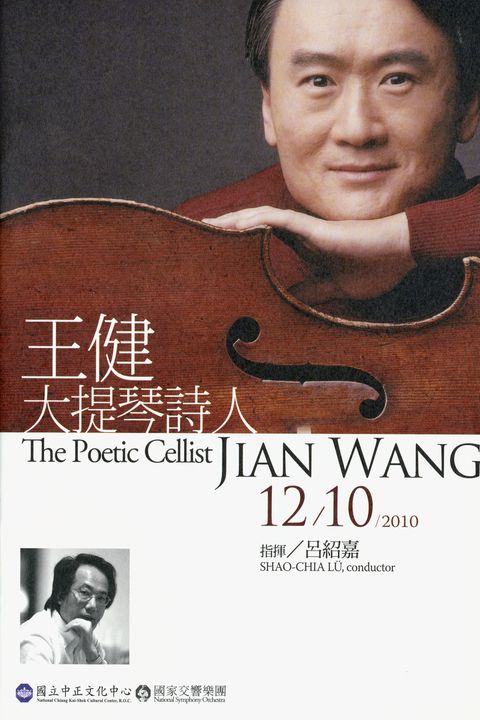
NSO名家與探索系列 - 大提琴詩人 王健
The Poetic Cellist-Jian Wang
基本資料
2010-12-10
2010/12/10
在此系列,我希望以罕見的廿世紀傑作及名家的展技,帶給大家一個不同的聆聽經驗,而其中又以巴爾托克及西貝流士為重點。 放眼20世紀初期歐洲作曲家,匈牙利的巴爾托克 (Bela Bartok,1881-1945)與芬蘭的西貝流士(Jean Sibelius,1865-1957)是傲然獨立於德奧主流之外,而足以與其分庭抗禮的兩大音樂巨人。他們同樣身屬文化邊陲,同樣為自己創作理念披荊斬棘,堅持一生,同樣從狂熱「愛國意識」起步,漸漸走入圓熟的個人化,宇宙化境界,晚期作品早已超越狹隘的民族性,卻自然流露故鄉之情。 巴爾托克之音樂語言植基於東歐 (甚至阿拉伯 )民謠裡的音程、調式、節奏。他以此為基礎,結合淵博的西歐傳統知識與自己的創見,成就出極為強烈的個人風格,使他獨步於現代音樂史中;我每次聽到他狂野銳利的快板樂段,無不立時血脈賁張而驚嘆於這位外表瘦弱內向的作曲家,其毫無忌憚的創造原力。聽他風格獨樹的慢板 (俗稱夜之歌),那高亢簡短的半音動機,交織著鬼魅般的快速音群,穿梭其間,飄浮飛舞,真是既驚悚,又寧靜,讓我想起在靜夜裡聆聽大自然之聲的孤寂靈魂。限於系列篇幅,我雖只選了三首重要作品演出,但其代表性相信足以讓有心的聽眾一窺巴爾托克的音樂天地。 相對於馬勒將「全世界」入樂的想法,西貝流士一生效力於尋求交響音樂內在素材運用的邏輯及精簡性。我選了數首他精采而難得一的聞交響詩及傑出而熱情激昂的第一號交響曲。在此呈現的是迥異於德奧聲響的另類管絃樂美學。西貝流士以低沉咆哮的銅管,饒舌繽紛的木管,快速飄浮的絃樂,揮灑出一幅幅瑰麗的北歐大自然風景與神秘的神話情境;這是充滿原創性及蒼勁之美的音樂。 衷心期待幾位名家的加入 :王健的德法札克大提琴協奏曲,宓多里的巴爾托克第二號小提琴協奏曲,薩德羅的米堯打擊協奏曲,白建字的拉赫曼尼諾夫第三號鋼琴協奏曲,這個陣容,不只大力豐富了此系列的多元性,更是一流演出品質的最佳保證。
This series provides a different listening experience with rarely heard masterpieces of the twentieth century, with Bartok and Sibelius as two great exemplars. Two early 20rh century musical titans, Hungarian composer Bela Bartok (1881-1945) and Finland's Jean Sibelius (1865 -1957),proudly rose independent of the Germanic Classical tradition, yet fully its match. Both were of borderline civilization and both were driven by relentless ideals, love of their countries, patriotism, and gradually entered maturity and strong individualism, universalism and, in their late years, transcended narrow ethnicism and yet revealing lyrical nostalgia for their homeland. Bartok's musical style inherits the Eastern European (or even Arabic) blood, in intervals, tonality and rhythm. The result of combining Western traditions with his own innovation is shocking: in fast movements Bartoks sweeps through music in electrifying speed; in the slow movements such as Midsummer Night's Song on the program, it is trembling, eerie yet peaceful. I have chosen three works that best exemplify the musical mind of Bartok Contrary to Mahler's universal approach to music, Sibelius spent his entire life searching for the perfect balance between economy and logic within the symphonic texture and structure. 1 have chosen a few symphonic poems and his First Symphony demonstrate Sibelius' unique lyricism of woodwinds.The mystical beauty of Scandinavian landscape can be heard from these somber brass, vivid dances of the woodwinds, and swift strings. With a few extraordinary musicians, including Jian Wang (Dvorak Cello Concerto), Midori (Bartok Violin Concert No. 2), Sadero (Milhaud Marimba and Vibraphone Concerto), Kun Woo Paik (Rachmaninoff Piano Concerto No.3), this is a concert series of diverse virtuosity that you would not want to miss.
〈波赫拉的女兒〉/西貝流士
〈為絃樂&打擊樂與鋼片琴的音樂〉/巴爾托克
〈B小調大提琴協奏曲B.191,作品104〉/德沃札克
Jean Sibelius: Pohjola's Daughter, Op.49
Bela Bartok: Music for Strings, Percussion and Celeste
Antonin Dvofak: Cello Concerto in B minor, B.191 Op.l04
典藏單位:國家兩廳院,實體文物請至兩廳院表演藝術圖書館申請觀看。
媒體類型:紙本及電子檔

評分
 電話:02-3393-9798 ︳傳真:02-3393-9798 ︳地址:100011 臺北市中山南路 21-1 號
Copyright ©國家表演藝術中心數位典藏系統 版權所有 All rights reserved.